
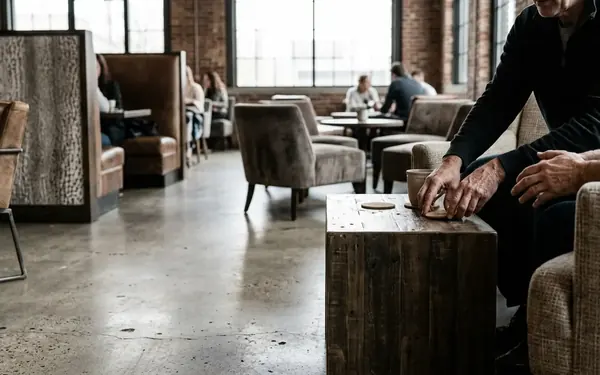

Houston’s Guide to Elevated Cocktail Culture
Explore the Guide
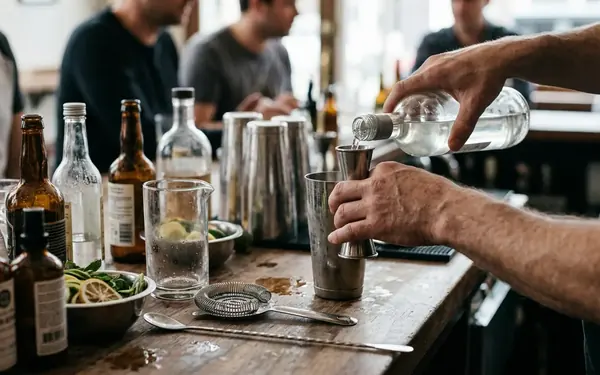
The Architecture of the Pour

In Houston’s evolving hospitality landscape, the boundary between the kitchen and the bar has dissolved. Culinary techniques now dictate beverage prep. We examine the structural elements of fine-dining beverage programs, focusing on how temperature control, dilution rates, and lighting shape the guest experience. A perfectly executed clarified milk punch loses its impact if served in a space with harsh acoustics or improper seating ergonomics.
Our visits suggest that the most successful lounges treat their cocktail menus as extensions of a chef's tasting menu. The progression of flavors matters.

A bright, acid-adjusted aperitif prepares the palate, while a spirit-forward nightcap provides closure. Understanding this sequence requires looking past the garnish and analyzing the operational systems that allow a bar team to execute complex builds consistently during a Friday night rush.
Core Focus Areas

Craft Cocktails
Original cocktails, balance, technique, presentation, and the culinary approach behind refined drink programs.
Explore Craft
Spirits & Mixology
Base spirits, modifiers, bitters, seasonal ingredients, glassware, and mixology methods used in elevated bar programs.
Read Guides
Houston Bar Culture
Houston’s cocktail scene, local bar trends, neighborhood hospitality, and the city’s evolving lounge culture.
View Culture
Dining & Pairings
Cocktail pairings with fine dining, chef-driven menus, small plates, desserts, and culinary flavor structure.
Discover Pairings
Lounge Atmosphere
Bar design, ambiance, lighting, music, service details, and the guest experience inside upscale cocktail lounges.
Explore Atmosphere
Events & Community
Cocktail events, local celebrations, charitable hospitality, happy hours, guest experiences, and community gatherings.
View EventsEditorial & Advisory Board
Our coverage relies on the direct experience of professionals actively shaping beverage programs and guest experiences.

Grace Albright
Beverage Consultant
Craft cocktail theory and fine-dining bar structure.

Jenna Ruiz
Hospitality Data Analyst
Houston bar benchmarks, guest value, and service data.

Everett Cole
Restaurant Beverage Manager
Fine-dining beverage service and pairing strategy.

Rohan Iyer
Bar Operations Consultant
Bar systems, batching, prep variance, and operational case studies.

Camille St. Jean
Guest Experience Manager
Lounge hospitality, guest journey design, and event atmosphere.

Willem de Vries
Spirits Educator
Spirits benchmarking, tasting grids, and category analysis.
Evaluating the Guest Experience

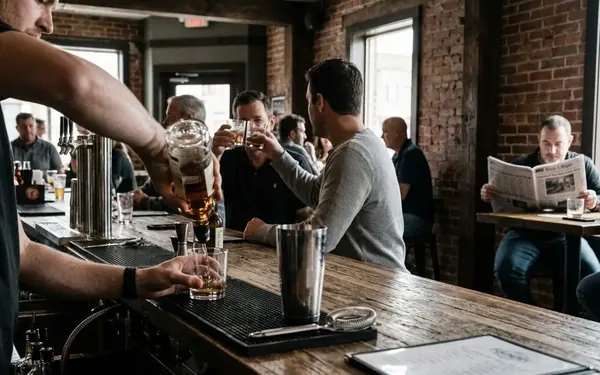
We evaluate lounge environments through a structured lens, looking past the marketing to assess the actual mechanics of service. This involves tracking ticket times during peak hours, analyzing the integration of seasonal ingredients, and observing the ergonomic flow of the bartender's workstation. A beautiful room cannot compensate for a poorly designed well that delays drink execution.
Critical Insight:
Sustained cooperation over consecutive review cycles with local hospitality guilds ensures our coverage reflects the current operational realities of Houston's dining scene.

While our tasting grids provide a baseline for spirit evaluation, atmospheric variables like room capacity and ambient temperature inevitably alter the perceived balance of a cocktail. A drink that tastes perfectly calibrated in an empty prep kitchen often reads differently in a crowded, high-energy lounge. We account for these shifts by observing service in real-time, noting how the staff manages pacing and table maintenance.
The original 1806 definition of a cocktail required only four elements: spirits, sugar, water, and bitters. Every modern innovation in fine-dining mixology—from centrifugal clarification to fat-washing—remains bound by that exact structural framework.
Trusted by 31,500+ travelers monthly